Komyca: A Bold and Playful Comic Font for Standout Designs
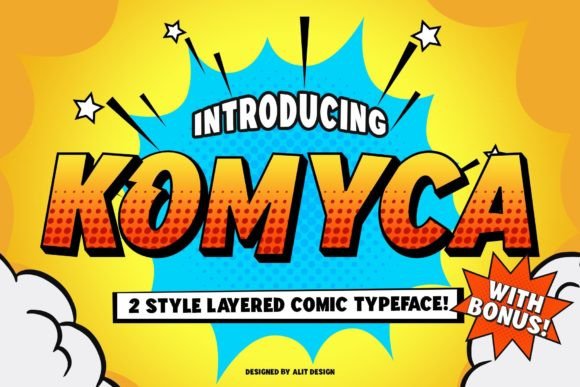
Komyca is a comic display font that brings a sense of fun, energy, and creativity to any design project. Its unique style sets it apart from more traditional or minimalist fonts, making it ideal for projects that require a bold visual identity. With its playful curves and dynamic shapes, Komyca adds character and personality to text, helping it stand out in a crowded design landscape.
One of the key features of Komyca is its PUA encoding, which allows users to access all glyphs and swashes without needing special software or tools. This makes it highly accessible for designers who want to experiment with different typographic elements. Whether you're working on a logo, poster, or social media graphic, Komyca offers flexibility and ease of use that can enhance your creative workflow.
What Makes Komyca Distinct?
Komyca’s distinctiveness comes from its combination of boldness and playfulness. Unlike many comic fonts that lean too heavily into one style—either overly whimsical or too rigid—it strikes a balance that feels both modern and expressive. The font’s letterforms are designed with a sense of movement, giving them a lively and engaging appearance that can bring life to any design.
Its unique charm also lies in the variety of stylistic alternates and swashes available. These features allow for customization and personalization, enabling designers to tailor the font to their specific needs. Whether you want to add a touch of flair to a headline or create a more dramatic effect in a title, Komyca provides the tools to do so effectively.
How Komyca Compares to Similar Fonts
When comparing Komyca to other comic display fonts, it stands out for its versatility and ease of use. Many similar fonts may offer a wide range of styles, but they often require additional tools or plugins to access all their features. Komyca’s PUA encoding eliminates this barrier, making it a more straightforward choice for designers who value efficiency.
Fonts like Bebas Neue or Lobster are popular for their bold and clean aesthetics, but they tend to be more restrained in their design. Komyca, by contrast, offers a more dynamic and expressive look, which can be particularly effective for projects that aim to capture attention or convey a sense of excitement.
Another point of comparison is the level of detail in the font’s design. Some comic fonts may lack the refinement needed for professional applications, while Komyca maintains a high standard of quality across all its characters. This makes it suitable for both casual and commercial use, depending on the context.
Strengths and Tradeoffs of Komyca
Komyca’s strengths lie in its ability to add visual interest and personality to text. Its bold and playful nature makes it well-suited for branding, advertising, and editorial design where a strong typographic statement is needed. The font’s PUA encoding also ensures that users have full control over its features, which can be a significant advantage for those who want to explore different typographic possibilities.
However, there are some tradeoffs to consider. Komyca’s style may not be appropriate for every project. In more formal or minimalist designs, its energetic appearance could feel out of place. Additionally, while the font is highly customizable, it may require more time and effort to fine-tune compared to simpler typefaces.
For designers looking for a font that can adapt to different contexts, Komyca may not always be the best fit. It works best when the design intent aligns with its playful and bold characteristics. In cases where a more neutral or subtle approach is needed, other fonts might be more suitable.
Best Fit Situations for Komyca
Komyca is ideal for projects that benefit from a strong visual presence. For example, in marketing materials such as posters, banners, or social media graphics, Komyca can help draw attention and convey a sense of energy. Its boldness makes it particularly effective for headlines, titles, and other prominent text elements.
It also works well in creative industries such as fashion, entertainment, and youth-oriented brands. These sectors often rely on typography to communicate a specific vibe or aesthetic, and Komyca’s unique style can support that vision effectively. When used appropriately, it can help differentiate a brand or product from competitors.
In editorial design, Komyca can be used to highlight key sections of a publication, adding a sense of dynamism to the layout. However, it’s important to balance its use with more readable fonts to maintain overall legibility and coherence.
When Komyca Might Not Be the Right Choice
While Komyca is a powerful tool in the right context, there are situations where it may not be the best option. For instance, in long-form text such as body copy or detailed reports, its stylized appearance could reduce readability. In these cases, a more conventional font would be preferable for clarity and usability.
Additionally, if the design requires a more subdued or professional tone, Komyca’s bold and playful style might not align with the intended message. Designers should consider the audience and purpose of the project before deciding to use Komyca.
There are also practical considerations. While Komyca is easy to access through PUA encoding, some users may find it less intuitive than other fonts that come with built-in styling options. This could be a factor for those who are less familiar with advanced typographic tools.
Realistic Examples and Practical Comparisons
Imagine a designer working on a promotional campaign for a new music festival. They need a font that captures the excitement and energy of the event. Komyca could be an excellent choice here, as its bold and playful style would complement the vibrant theme of the campaign. In contrast, a more conservative font might fail to convey the same level of enthusiasm.
On the other hand, if the same designer were creating a corporate brochure for a financial institution, Komyca might not be the best fit. A more polished and professional font would better reflect the company’s image and values. This illustrates how the choice of font depends on the specific goals and context of the project.
Another example could involve a book cover design. If the book has a whimsical or adventurous theme, Komyca could add a distinctive and eye-catching element. However, for a more serious or literary work, a simpler and more refined font might be more appropriate.
Deciding Whether Komyca Is Right for Your Project
When evaluating whether Komyca is the right choice for a design project, it’s important to consider several factors. First, think about the overall tone and message of the design. Does it call for a bold, energetic, and playful approach? If so, Komyca could be a strong candidate.
Next, assess the practical aspects of using the font. Are you comfortable working with PUA-encoded fonts? Do you have the tools and knowledge to take full advantage of its features? These questions can help determine whether Komyca will be a valuable addition to your design toolkit.
Finally, consider the broader design context. How does Komyca interact with other elements of the composition? Will it enhance the visual hierarchy and overall impact, or will it clash with other design choices? A thoughtful evaluation of these factors can lead to a more informed and effective decision.
Ultimately, Komyca offers a unique and versatile option for designers looking to add a touch of creativity and personality to their work. By understanding its strengths, limitations, and best-fit scenarios, you can make a more confident and strategic choice about when and how to use it.