Early: A Bold, Cheerful Font for Creative Expression
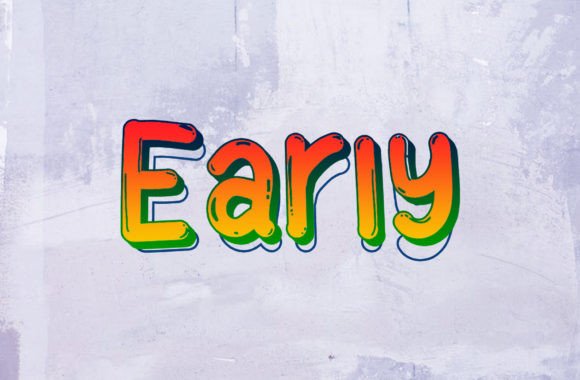
The Early font is a dynamic display typeface that brings energy and personality to any design. With its playful curves and confident strokes, it’s ideal for projects that need a touch of fun and authenticity. Whether you're designing a logo, creating social media content, or working on a branding campaign, Early adds a unique visual flair that captures attention.
What makes Early stand out is its balance between boldness and readability. It’s not just a decorative font—it’s a versatile tool that works well in both digital and print formats. Its friendly character makes it approachable, while its strong structure ensures it doesn’t get lost in busy layouts. This combination makes it a go-to choice for designers looking to add a fresh, original look to their work.
Why Early Works for Different Projects
Early isn’t limited to one style or industry. Its adaptability allows it to shine in various creative contexts. For instance, in marketing materials, it can be used for headlines that grab attention without overwhelming the reader. In editorial design, it adds a lively tone to titles and subheadings, making content more engaging.
For entrepreneurs and small business owners, Early is a great option for branding elements like logos, banners, and packaging. Its cheerful appearance helps create a positive first impression, which is crucial for building brand identity. When used thoughtfully, it can communicate a sense of innovation and approachability.
Bloggers and content creators can also benefit from using Early. It works well for title cards, thumbnails, and social media posts where visual appeal is key. By incorporating this font into their designs, they can make their content more eye-catching and memorable.
Creative Applications and Ideas
One of the best ways to use Early is in combination with other fonts. Pairing it with a clean, sans-serif typeface can create a balanced and modern look. For example, using Early for a headline and a simpler font for body text can help guide the reader’s eye while maintaining visual interest.
Designers often experiment with color when working with Early. Since the font has a bold and expressive nature, it can be paired with vibrant hues to enhance its impact. A bright red or sunny yellow background can make the font pop, while muted tones can add sophistication and elegance.
Another idea is to use Early in typography-based art. Creating custom text graphics, such as motivational quotes or inspirational messages, can turn the font into a central element of the design. This approach is especially effective for posters, t-shirts, and digital illustrations.
Adapting Early for Different Audiences
Early is particularly useful for audiences that value creativity and individuality. It works well for younger demographics who appreciate bold and expressive visuals. At the same time, it can be adjusted to suit more professional settings by using it sparingly or in conjunction with more formal typefaces.
For educators and trainers, Early can be used in presentations and learning materials to make information more engaging. Its friendly style helps create a welcoming atmosphere, which can improve student participation and retention.
Freelancers and independent artists can leverage Early to build a distinct visual identity. Using it consistently across portfolios, websites, and promotional materials can help establish a cohesive brand image that stands out in a competitive market.
Best Practices for Using Early
To get the most out of Early, it’s important to consider the context in which it will be used. Avoid overusing it in large blocks of text, as this can reduce readability. Instead, use it for key elements like headings, captions, and callouts.
When working with Early, keep the overall design simple and focused. Let the font be the highlight without competing with other visual elements. This approach ensures that the message remains clear and the design stays professional.
Testing different sizes and weights can also help find the right balance. Some variations of Early may be better suited for larger displays, while others work well for smaller details. Experimenting with these options can lead to more effective and visually appealing results.
Early in Action: Real-World Examples
Many businesses have successfully incorporated Early into their branding. For example, a boutique coffee shop might use it for their logo and menu headers, giving their brand a warm and inviting feel. A tech startup could use it for a tagline on their website, adding a modern and energetic vibe to their online presence.
Event planners often use Early for promotional materials, such as flyers and digital ads. Its bold and friendly style helps draw attention and convey excitement about upcoming events. Similarly, non-profits and community organizations can use it to create compelling visuals that inspire action and engagement.
By exploring these examples, designers can see how Early can be adapted to fit different needs and goals. The key is to understand the font’s strengths and use them in a way that aligns with the project’s purpose and audience.
Final Thoughts on Early
Early is more than just a font—it’s a creative tool that can elevate any design. Its cheerful and bold nature makes it ideal for projects that need a fresh, authentic look. Whether you’re a designer, marketer, or entrepreneur, incorporating Early into your work can help you stand out and connect with your audience in a meaningful way.
With thoughtful application and a focus on clarity, Early can become a powerful asset in your design toolkit. Its versatility and charm make it a valuable choice for anyone looking to express creativity with confidence and style.