Geofota: Bold, Urban, and Built for Impact
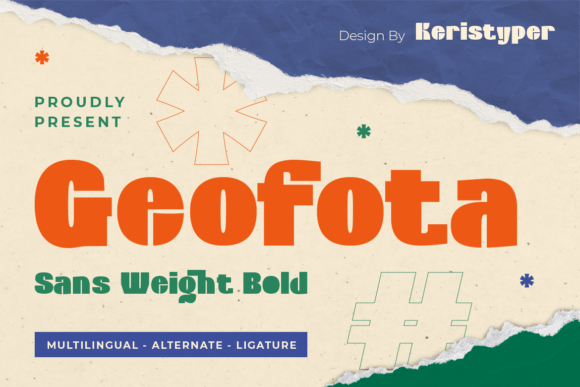
Geofota is a modern, heavy font that captures the energy of street culture and urban life. Its strong, dynamic presence makes it ideal for projects where visual impact matters. Whether you're designing a logo, creating social media graphics, or working on a book cover, Geofota brings a fresh, contemporary edge to your work.
This font isn't just about style—it's about purpose. Its bold strokes and clean lines make it versatile enough for both short headlines and longer text, though it shines brightest as a display font. It works well alongside serif or sans-serif fonts, offering a striking contrast that can elevate your design without overwhelming it.
What Makes Geofota Stand Out?
Geofota has a distinct personality. It’s confident, unapologetic, and full of attitude—qualities that make it perfect for brands looking to make a statement. The font’s thick strokes and sharp angles give it a sense of strength, while its subtle curves add a touch of fluidity. This balance between rigidity and movement makes it adaptable across different design contexts.
Visually, Geofota feels like it was born in a cityscape. Think graffiti tags, neon signs, and street art. Its aesthetic is modern but grounded, making it a great choice for creative professionals who want to blend trendiness with professionalism. It doesn’t scream for attention, but it definitely commands it.
The font’s weight and structure also make it highly legible at larger sizes. While it may not be the best option for body text, it excels in headings, titles, and short bursts of text where clarity and impact are key.
Where Geofota Works Best
Geofota thrives in environments where visual hierarchy and brand identity matter most. It’s a go-to choice for logo design, especially for businesses in the fashion, tech, or entertainment industries. Its boldness helps logos stand out without being too flashy, which is crucial for building brand recognition.
In editorial design, Geofota can be used for chapter titles, section headers, or special features. Its strong character makes it ideal for magazine layouts, posters, and other printed materials where eye-catching typography is essential. It also pairs well with more traditional fonts, allowing for a balanced yet distinctive look.
On digital platforms, Geofota adds a modern flair to web design, social media graphics, and app interfaces. It’s particularly effective in banners, call-to-action buttons, and promotional content. Its clean lines ensure it looks sharp on screens of all sizes, from mobile devices to large monitors.
How Geofota Influences Design and Branding
Typography plays a critical role in how audiences perceive a brand. Geofota’s bold and urban aesthetic can help convey a sense of innovation, confidence, and creativity. When used consistently across marketing materials, it reinforces brand identity and builds familiarity with your audience.
Readability is another important factor. While Geofota is not designed for long paragraphs, its clear letterforms make it suitable for short texts like slogans, taglines, or captions. This makes it a valuable tool for designers looking to maintain visual interest without sacrificing clarity.
When paired with other fonts, Geofota can create a strong visual contrast. For example, pairing it with a clean sans-serif font like Helvetica or a classic serif like Georgia can produce a sophisticated yet modern look. Experimenting with font pairings helps you find the right balance for your project’s tone and purpose.
Practical Tips for Using Geofota
Before using Geofota, consider the context of your project. Is it for a high-impact headline, a logo, or a small piece of text? Understanding the purpose will help you decide how to use the font effectively. For instance, if you’re designing a website, you might use Geofota for headings and a simpler font for body text.
Testing is key. Download a trial version of the font and experiment with different sizes, colors, and backgrounds. See how it looks in various formats—print, web, mobile—and adjust accordingly. Pay attention to how it interacts with other design elements like images, icons, and color schemes.
Also, check the available styles. Some fonts come with multiple weights, such as regular, bold, and italic. These variations can expand your design options and help you achieve a more dynamic layout. Make sure the font you choose includes all the necessary glyphs and language support for your target audience.
Finally, always review the licensing terms. If you’re using Geofota for commercial projects, ensure you have the proper license to avoid legal issues. Many premium fonts offer flexible licenses for different types of use, so read the fine print carefully.
Real-World Applications of Geofota
Imagine a music festival promoting its lineup on social media. Using Geofota for the event title gives it a bold, energetic feel that matches the vibe of the event. It stands out in a crowded feed and draws attention without needing extra design elements.
For a boutique clothing brand, Geofota could be used in a logo to reflect the brand’s modern, edgy identity. Paired with a minimalist logo design, it creates a cohesive look that speaks to a younger, fashion-forward audience.
In a book cover, Geofota could serve as the main title, adding a sense of urgency or excitement. It works well for genres like fiction, non-fiction, or even self-help books that aim to inspire action.