Grafincy: A Graffiti Street Style Font for Creative Projects
Grafincy is a graffiti street style font designed to bring a bold, edgy aesthetic to any creative project. With its dynamic and expressive look, Grafincy is ideal for those seeking to add a unique visual identity to their work. Whether used in branding, social media, or product design, this font offers a distinctive style that stands out in the world of typography.
What Is Grafincy?
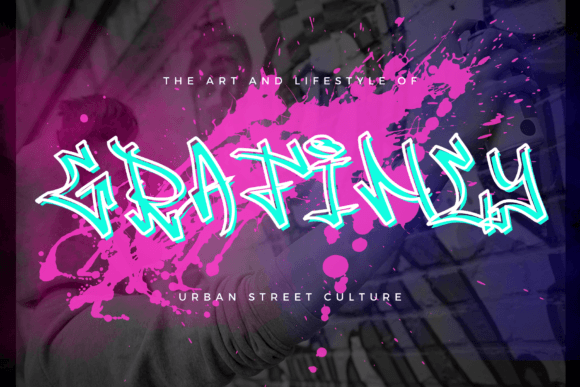
Grafincy is a digital font that mimics the raw energy and rebellious spirit of graffiti art. It features irregular shapes, sharp angles, and a hand-painted feel that captures the essence of street culture. The font is often used in designs that aim to convey a sense of movement, attitude, and urban flair. Its versatility makes it suitable for a wide range of applications, from logos to packaging, where a strong visual statement is needed.
Why Consider Grafincy?
For designers and creators looking to differentiate their work, Grafincy provides an alternative to more traditional fonts. Its graffiti-inspired style can evoke a sense of authenticity and creativity, making it a popular choice for brands targeting younger, trend-conscious audiences. Additionally, the font’s striking appearance can help make content more visually engaging, especially in digital environments such as social media posts or advertisements.
Those interested in Grafincy may be drawn to its ability to communicate a specific vibe or message. For example, a brand aiming to position itself as innovative or daring might find Grafincy to be a fitting choice. Similarly, artists or designers working on street art-inspired projects could use the font to maintain a cohesive visual theme across different mediums.
Benefits of Using Grafincy
One of the main advantages of Grafincy is its ability to add visual interest and personality to a design. Unlike more conventional fonts, Grafincy’s stylized appearance can make text stand out, which is particularly useful in competitive markets where differentiation is key. This font also offers flexibility in terms of application, as it can be used in both digital and print formats without losing its impact.
Another benefit is the font’s potential to resonate with specific target audiences. For instance, businesses in the fashion, music, or entertainment industries may find that Grafincy aligns well with their brand identity. Its association with street culture can help create a sense of connection with consumers who value individuality and artistic expression.
Considerations and Tradeoffs
While Grafincy has many strengths, it may not be the best choice for every project. Its bold and unconventional style can be overwhelming in certain contexts, particularly when readability is a priority. In situations where clarity and professionalism are essential, a more traditional font might be more appropriate.
Additionally, the use of Grafincy may require careful consideration of licensing and usage rights. Depending on the platform or project, there could be restrictions on how the font can be applied. Users should verify that they have the necessary permissions to use Grafincy in their intended context, whether for commercial or personal purposes.
Situations Where Grafincy Fits Well
Grafincy is particularly well-suited for projects that emphasize creativity, rebellion, or a connection to urban culture. For example, it could be an excellent choice for a logo representing a new streetwear brand or a promotional campaign aimed at a youth-oriented audience. In these cases, the font’s unique style can enhance the overall message and appeal of the design.
It is also a good fit for social media content that aims to capture attention quickly. On platforms like Instagram or TikTok, where visual impact is crucial, Grafincy can help make text more eye-catching and memorable. Similarly, in advertising, the font can be used to create a sense of urgency or excitement that resonates with viewers.
When Alternatives Might Be Better
In some cases, alternatives to Grafincy may offer more practical benefits. For instance, if a project requires a clean, professional look, a sans-serif or serif font might be more effective. These types of fonts are often easier to read and can convey a sense of reliability and sophistication that Grafincy may not achieve.
Additionally, users who are unsure about the font’s suitability for their needs may want to explore other graffiti-style fonts before making a decision. Some alternatives may offer similar aesthetics while being more versatile or easier to integrate into different design workflows.
Practical Decision-Making Insights
When deciding whether to use Grafincy, it’s important to evaluate the specific goals of the project. If the primary objective is to create a strong visual identity that reflects a particular cultural or artistic influence, then Grafincy could be a valuable asset. However, if the focus is on clarity, accessibility, or broad appeal, other options may be more appropriate.
Testing the font in different contexts can also help determine its effectiveness. Designers can experiment with Grafincy in various layouts to see how it performs in terms of legibility, scalability, and overall aesthetic impact. This process can provide valuable insights into whether the font meets the needs of the project.
Ultimately, Grafincy is a powerful tool for those looking to infuse their work with a sense of energy and creativity. By understanding its strengths and limitations, users can make informed decisions about when and how to incorporate it into their designs. Whether used as a central element or a supporting detail, Grafincy has the potential to elevate a project and leave a lasting impression.