Mitukai: A Unique Display Font Rooted in Japanese Culture
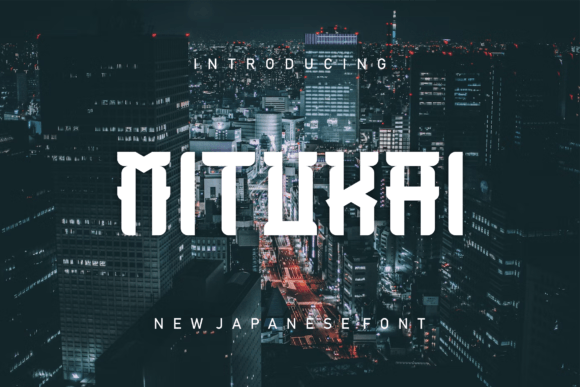
Mitukai is a display font that draws inspiration from traditional Japanese aesthetics, offering a distinctive visual identity for designers and creatives. Its name, which translates to "light" or "radiance" in Japanese, reflects the font's ability to illuminate text with elegance and cultural depth. Whether used in branding, signage, or digital media, Mitukai brings a sense of authenticity and artistry to any project.
Unlike many modern fonts that prioritize simplicity or minimalism, Mitukai embraces a more expressive and dynamic style. This makes it particularly well-suited for applications where visual impact and cultural resonance are important. The font’s character shapes often reflect the fluidity and balance found in Japanese calligraphy, giving it a refined yet approachable feel.
What Makes Mitukai Stand Out?
Mitukai distinguishes itself through its unique blend of traditional and contemporary design elements. The font features subtle variations in stroke weight and curvature that mimic the natural flow of hand-drawn characters. These details add a level of sophistication that can elevate the overall look of a design.
One of the key characteristics of Mitukai is its versatility. While it is primarily designed as a display font, it can also be used in more casual contexts when paired appropriately. Its readability improves significantly when used at larger sizes, making it ideal for headlines, logos, and other prominent typographic elements.
The font’s cultural roots provide an additional layer of meaning for users who want to incorporate Japanese influences into their work. This makes it a valuable tool for designers working on projects related to travel, hospitality, or cultural storytelling. However, it is important to note that the font may not be suitable for all types of content, especially those requiring a more neutral or universally accessible style.
Comparing Mitukai with Similar Fonts
When evaluating display fonts, it’s helpful to consider how they compare in terms of style, usability, and cultural relevance. Mitukai shares some similarities with other Japanese-inspired typefaces such as Kaisei or Shippori, but it has a more distinct and stylized appearance. These alternatives often focus on clarity and legibility, while Mitukai leans toward artistic expression and visual interest.
In contrast to minimalist sans-serif fonts like Helvetica or Avenir, Mitukai offers a more dramatic and expressive alternative. It is less suited for body text but excels in situations where a strong visual statement is needed. For example, a designer creating a menu for a Japanese restaurant might choose Mitukai for its aesthetic appeal, whereas a corporate website would likely benefit from a cleaner, more neutral font.
Fonts like Yozan or Noto Sans CJK are more focused on functionality and cross-language support, making them better choices for multilingual or international projects. Mitukai, on the other hand, is best used in contexts where the Japanese cultural element is intentional and relevant.
Best Use Cases for Mitukai
Mitukai is most effective when used in projects that emphasize visual storytelling or cultural themes. It works well for branding initiatives that aim to convey a sense of tradition, craftsmanship, or artistic flair. For instance, a boutique clothing brand targeting customers interested in Japanese fashion might use Mitukai to create a logo that feels authentic and distinctive.
Another common use case is in editorial design, such as magazine covers, book titles, or promotional materials. The font’s strong presence helps draw attention and create a memorable visual identity. However, it is essential to pair it with complementary typefaces to ensure readability and balance.
For digital applications, Mitukai can enhance the user experience in creative websites, mobile apps, or social media graphics. Its stylized appearance adds a touch of personality that can differentiate a brand from competitors. Still, designers should test the font at different sizes and resolutions to ensure it maintains its intended effect across platforms.
Limitations and Considerations
While Mitukai offers many advantages, it is not without its limitations. One potential drawback is its suitability for certain audiences. The font’s stylized nature may not resonate with all viewers, especially those unfamiliar with Japanese culture or design aesthetics. In such cases, a more neutral or widely recognized font might be a better choice.
Another consideration is the font’s availability and licensing. Unlike some open-source or free fonts, Mitukai may require a purchase or subscription for commercial use. Users should verify the licensing terms before incorporating it into professional projects to avoid legal complications.
Additionally, the font’s complexity can sometimes affect its performance in digital environments. Large files or high-resolution displays may cause rendering issues if the font is not optimized properly. Designers should also be mindful of how Mitukai appears on different devices and screen sizes to maintain consistency.
When to Choose Mitukai Over Other Options
Mitukai is an excellent choice when the goal is to create a visually striking and culturally meaningful design. If a project requires a font that stands out and conveys a specific aesthetic, Mitukai can be a powerful asset. It is particularly useful for small-scale or niche projects where uniqueness is valued over broad accessibility.
However, for large-scale or mass-market applications, a more versatile and widely supported font may be more practical. In these scenarios, the benefits of Mitukai’s stylistic appeal may be outweighed by the need for clarity, consistency, and compatibility.
Ultimately, the decision to use Mitukai depends on the specific goals of the project and the preferences of the target audience. By understanding its strengths and limitations, designers can make informed choices that align with their creative vision and practical needs.
Conclusion: Is Mitukai Right for You?
Mitukai is a compelling option for designers seeking a display font with cultural depth and visual appeal. Its unique design and expressive qualities make it well-suited for projects that benefit from a strong typographic identity. However, it is not a one-size-fits-all solution, and its effectiveness will depend on the context in which it is used.
For those exploring alternatives, Mitukai offers a refreshing departure from standard fonts, providing an opportunity to infuse creativity and cultural significance into their work. By carefully considering its fit within a broader design strategy, users can unlock its full potential and create designs that stand out in a competitive landscape.