Onuneko: A Modern and Versatile Display Font for Creative Projects
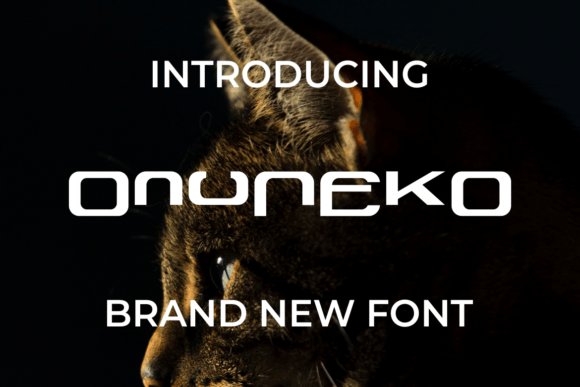
Onuneko is a display font that blends modern aesthetics with a distinctive personality, making it a compelling choice for designers and creatives looking to add visual flair to their work. Its clean lines, subtle curves, and unique character set distinguish it from many other fonts in the market. Whether used in branding, web design, or print materials, Onuneko offers a fresh and dynamic look that can enhance a wide range of projects.
As a display font, Onuneko is best suited for headlines, logos, and other prominent text elements where readability and style are both important. It strikes a balance between being eye-catching and legible, even at smaller sizes. This makes it a practical option for designers who want to maintain clarity while still making a visual statement.
What Makes Onuneko Unique?
One of the standout features of Onuneko is its blend of geometric and organic shapes. Unlike more rigid sans-serif fonts, Onuneko incorporates soft curves that give it a friendly and approachable feel. At the same time, its structured forms ensure it doesn’t lose its modern edge. This combination allows it to fit into a variety of design contexts without feeling out of place.
The font also includes a wide range of glyphs, including lowercase and uppercase letters, numerals, punctuation, and special characters. This versatility makes it suitable for different typographic needs, whether for a simple logo or a more complex layout. Additionally, its consistent stroke weight and spacing contribute to a polished appearance that works well across digital and print media.
How Onuneko Compares to Similar Fonts
When compared to other modern display fonts, Onuneko holds its own by offering a unique balance of style and functionality. Fonts like Montserrat or Raleway are popular choices for clean, minimalist designs, but they often lack the distinct character that Onuneko brings. Onuneko’s subtle variations in letterforms provide a more dynamic visual experience without sacrificing readability.
Fonts such as Bebas Neue or Oswald are known for their bold, blocky styles, which can be effective for high-impact designs. However, these fonts may not offer the same level of nuance or adaptability as Onuneko. While they excel in certain scenarios, they can sometimes feel too rigid or one-dimensional for more intricate projects.
In contrast, Onuneko’s design allows for greater flexibility. It can be used in both casual and professional settings, depending on how it’s applied. For example, it might work well for a tech startup’s brand identity or a lifestyle blog’s header, demonstrating its broad appeal.
Strengths and Best-Fit Situations
Onuneko’s strength lies in its ability to stand out while remaining functional. It is particularly well-suited for projects that require a modern yet approachable aesthetic. This includes branding for creative industries, such as fashion, technology, or art-related businesses. Its clean and confident look can help convey professionalism without appearing overly formal.
Another area where Onuneko excels is in web design. As a display font, it can be used effectively in headings and titles to draw attention and guide users through content. When paired with simpler body fonts, it creates a clear visual hierarchy that enhances user experience. Its scalability also means it performs well across different screen sizes and resolutions.
For print materials, Onuneko adds a touch of sophistication that can elevate everything from business cards to posters. Its legibility at larger sizes ensures that it remains effective in physical formats, where clarity is essential.
Tradeoffs and Limitations
While Onuneko is a strong choice for many design projects, it may not be the best fit for every situation. One limitation is its suitability for long blocks of text. As a display font, it is not optimized for extended reading, and using it for body copy could lead to readability issues. In such cases, pairing it with a more traditional serif or sans-serif font would be a better approach.
Another consideration is the font’s availability. Depending on the platform or design software being used, access to Onuneko may vary. Some tools may require purchasing a license or using a specific font service, which could be a barrier for some users. It’s important to check compatibility before committing to a project.
Additionally, while Onuneko has a modern feel, it may not align with all design trends. For projects that require a vintage, retro, or highly stylized look, alternative fonts might be more appropriate. Designers should evaluate their specific needs and the overall tone of their work before deciding on Onuneko.
When Onuneko Is the Right Choice
Onuneko is an excellent choice when the goal is to create a visually engaging and modern design. It works well for projects that need a strong visual identity, such as logos, banners, or social media graphics. Its versatility allows it to adapt to different color schemes and layouts, making it a flexible tool in a designer’s toolkit.
For instance, a digital marketing campaign aiming to attract a younger, tech-savvy audience might benefit from using Onuneko in its headlines. The font’s contemporary look can help reinforce the brand’s image while maintaining a sense of approachability. Similarly, a creative agency looking to showcase its work on a portfolio site could use Onuneko to highlight key project titles and descriptions.
When Other Options May Be Better
There are scenarios where other fonts might be more suitable. For example, if a project requires a more traditional or classic look, a serif font like Georgia or Playfair Display could be a better fit. These fonts offer a timeless quality that may be more appropriate for certain industries or audiences.
In cases where a bold, no-nonsense style is needed, a font like Roboto or Open Sans might be preferable. These options are widely used in web design and offer a clean, professional appearance that works well in a variety of contexts. They are also more accessible for users who may not have access to specialized font services.
Ultimately, the decision to use Onuneko depends on the specific goals of the project and the desired visual outcome. It is important to consider how the font will be used, who the target audience is, and what message the design is trying to convey.
Practical Tips for Using Onuneko
To get the most out of Onuneko, start by experimenting with different sizes and weights. Since it is a display font, it tends to perform best at larger sizes where its details can be appreciated. Avoid using it in small text or long paragraphs, as this can reduce its effectiveness.
Pairing Onuneko with complementary fonts can also enhance its impact. For example, combining it with a simple sans-serif font for body text can create a balanced and readable layout. Testing different combinations in design software can help identify the best approach for a particular project.
Finally, consider the context in which the font will be used. Whether for digital or print media, ensuring that Onuneko is displayed correctly and consistently is key to maintaining its visual appeal and functionality.