Retro 1970: A Bold and Timeless Display Font for Every Project
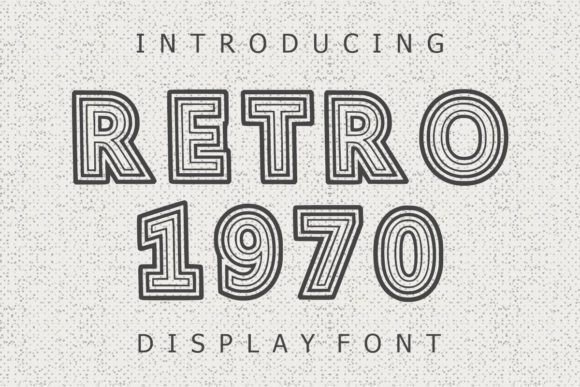
The Retro 1970 font is a striking example of how vintage design can be both nostalgic and modern. With its bold, classic appearance, it brings a sense of nostalgia that resonates with many designers, creators, and business owners looking to make a statement. Whether you're working on a logo, a blog post, or a promotional ad, Retro 1970 offers a unique visual identity that stands out in a sea of more conventional typefaces.
Originally inspired by the aesthetics of the 1970s, this font captures the essence of an era known for its vibrant colors, bold typography, and creative experimentation. Its clean lines and strong character make it highly readable while still maintaining a retro flair. This combination of readability and style makes it ideal for a wide range of applications, from branding to digital content.
Understanding the Features of Retro 1970
Retro 1970 is designed with a focus on clarity and impact. Its letterforms are structured with sharp angles and thick strokes, giving it a confident and assertive look. The font also features a variety of weights and styles, allowing users to adjust its presence based on their design needs. Whether you need a subtle touch or a powerful headline, Retro 1970 adapts well to different contexts.
One of the most notable characteristics of Retro 1970 is its versatility. It works equally well in both digital and print formats, making it a go-to choice for designers who need a consistent look across multiple platforms. The font's high contrast between thick and thin strokes adds to its visual appeal, creating a dynamic effect that draws attention without being overwhelming.
Another advantage of Retro 1970 is its ease of use. It is available in various file formats, including TrueType (TTF) and OpenType (OTF), which ensures compatibility with most design software. This accessibility means that even those new to typography can incorporate the font into their projects without significant technical hurdles.
Where to Use Retro 1970
The applications for Retro 1970 are nearly limitless. In the realm of branding, it can be used to create eye-catching logos that reflect a retro aesthetic while still feeling contemporary. For businesses looking to differentiate themselves, this font can help establish a unique visual identity that sets them apart from competitors.
In digital marketing, Retro 1970 is particularly effective for headlines and call-to-action buttons. Its boldness ensures that key messages stand out, increasing the likelihood of user engagement. When used in social media graphics or email campaigns, the font adds a touch of personality that can resonate with audiences.
Beyond commercial uses, Retro 1970 is also popular among creatives for personal projects. Artists, photographers, and writers often use it in their work to add a vintage feel to their portfolios, websites, or printed materials. It’s also a favorite among planners and journal enthusiasts who want to give their pages a stylish, nostalgic look.
Real-World Applications of Retro 1970
Consider a small business owner launching a new line of handmade products. By using Retro 1970 in their packaging and website design, they can evoke a sense of authenticity and craftsmanship that appeals to customers seeking unique, artisanal items. The font helps communicate the brand's story in a visually compelling way.
Another scenario might involve a designer creating a poster for a local music event. Using Retro 1970 as the main title can immediately set the tone for the event, suggesting a celebration of classic rock or soul music. The font’s boldness ensures that the poster grabs attention from a distance, making it more effective at drawing in potential attendees.
For a blogger or content creator, Retro 1970 can be used to highlight key sections of an article or to create a distinctive header that reflects their personal style. This not only enhances the visual appeal of the content but also helps in building a recognizable brand identity over time.
Strengths and Considerations of Retro 1970
Retro 1970 excels in situations where a strong, memorable visual presence is needed. Its boldness and clarity make it suitable for large-scale designs such as billboards, banners, and signage. However, it may not be the best choice for long blocks of text due to its relatively heavy weight, which can be difficult to read in extended formats.
It's also important to consider the context in which the font is used. While Retro 1970 works well for creative or entertainment-related projects, it may not be appropriate for more formal or professional settings. In such cases, a more subdued or traditional font might be a better fit.
Additionally, users should be mindful of licensing when incorporating Retro 1970 into commercial projects. Ensuring that the font is properly licensed for the intended use is essential to avoid legal complications down the line.
How to Evaluate if Retro 1970 Is Right for Your Project
If you're considering using Retro 1970, start by assessing the goals of your project. Ask yourself whether the font aligns with the message you want to convey. Does it match the tone and style of your brand or content? If so, then it could be a valuable asset.
Testing the font in different sizes and formats can also help determine its suitability. Try using it in a mock-up or prototype to see how it looks in practice. This will give you a better sense of how it performs in real-world scenarios.
Finally, seek feedback from others. Getting input from colleagues, clients, or target audiences can provide valuable insights into how the font is perceived and whether it effectively communicates the intended message.
Retro 1970 is more than just a font—it's a tool that can elevate the visual storytelling of any project. Its blend of retro charm and modern functionality makes it a versatile choice for a wide range of creative and commercial applications. Whether you're designing a logo, crafting a marketing campaign, or simply adding a unique touch to your work, Retro 1970 offers a bold and timeless solution that continues to inspire.