Retro Rocks
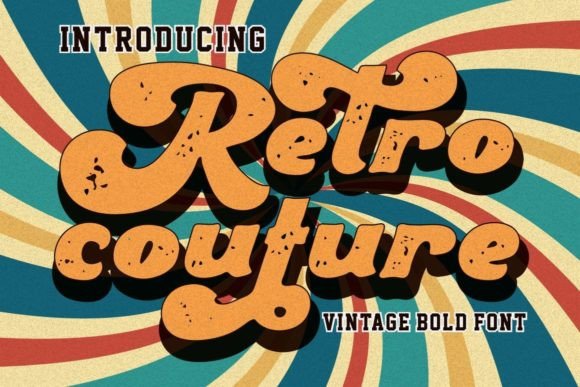
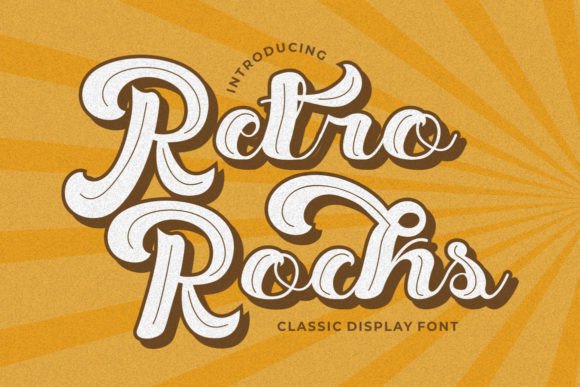
For those who love the charm of the past and want to infuse it into modern designs, Retro Rocks is a powerful tool. This script display font brings a playful nostalgia that can transform any project with its vintage aesthetic. Whether you're working on a logo, a poster, or a branding campaign, Retro Rocks offers a unique way to capture the essence of bygone eras.
Designed with PUA encoding, Retro Rocks makes it easy to access all its glyphs and ligatures without complicated processes. This means you can focus on creativity rather than technical hurdles. The font's design is rich with character, making it ideal for projects that need a touch of old-school flair.
Real-World Applications of Retro Rocks
From graphic design to digital marketing, Retro Rocks has a wide range of applications. One common use is in branding. Businesses looking to evoke a sense of history or authenticity often turn to retro fonts. A coffee shop, for example, might use Retro Rocks for its logo to give it a warm, nostalgic feel that resonates with customers.
Event planners also find value in Retro Rocks. For themed parties or vintage-style events, this font can be used on invitations, banners, and signage. It adds an extra layer of immersion that helps set the tone for the entire experience. Imagine a 1950s-themed party where every detail, from the music to the decor, is infused with retro vibes—Retro Rocks would be a perfect fit.
In the world of print media, Retro Rocks can elevate the look of magazines, brochures, and posters. Designers often use it to create a visual contrast that draws attention. For instance, a fashion magazine might use the font for headlines to give them a distinctive, vintage-inspired look that stands out from more traditional typefaces.
Who Benefits From Using Retro Rocks?
Designers, artists, and creatives are the primary users of Retro Rocks, but its appeal extends beyond just the design community. Marketers, for example, can use it to craft campaigns that tap into the emotional connection people have with the past. A campaign promoting a classic car or a retro video game could benefit from the font's ability to convey nostalgia effectively.
Entrepreneurs launching new products or services might also find Retro Rocks useful. By incorporating the font into their branding, they can differentiate themselves in a crowded market. A boutique clothing line that specializes in vintage-inspired styles could use Retro Rocks to reinforce its brand identity and attract a specific audience.
Even individuals with personal projects, such as wedding invitations or family newsletters, can benefit from Retro Rocks. Its playful yet elegant style makes it suitable for a variety of purposes. A couple planning a vintage-themed wedding might use the font for their invitations to create a cohesive look that reflects their love for the past.
Considerations Before Using Retro Rocks
Before diving into using Retro Rocks, it's important to consider how it will fit into your overall design. While the font is visually appealing, it may not be suitable for every project. For example, if you're designing something that requires high readability, such as a website or a document, you may need to pair Retro Rocks with a more standard font to ensure clarity.
Another consideration is the context in which the font will be used. If you're targeting a younger audience, Retro Rocks might not resonate as strongly as a more modern typeface. However, if your audience appreciates vintage aesthetics, the font could be a great choice. Understanding your target audience is key to making the most of Retro Rocks.
Additionally, it's worth exploring different variations of the font. Some versions may have more ligatures or alternative glyphs that could enhance your design. Experimenting with these options can help you achieve the desired effect without compromising on quality or readability.
Strengths and Limitations of Retro Rocks
Retro Rocks excels in creating a strong visual identity that stands out from the crowd. Its unique design allows it to convey a sense of history and nostalgia that other fonts may not achieve. This makes it an excellent choice for projects that aim to evoke specific emotions or memories.
However, there are some limitations to keep in mind. The font's style may not be appropriate for all types of content. In professional settings, for example, it could come across as too informal or unprofessional. It's important to assess whether the font aligns with the tone and purpose of your project before using it.
Another limitation is that, while PUA encoding makes it easy to access all the glyphs, not all software or platforms may support this format. It's a good idea to test the font in your intended environment to ensure compatibility and avoid unexpected issues.
How Retro Rocks Can Enhance Your Creative Projects
Whether you're working on a personal project or a commercial one, Retro Rocks can add a special touch that elevates the overall look and feel. For instance, a musician looking to create a band logo might use the font to give it a vintage rock vibe that complements their sound. Similarly, a filmmaker working on a period piece could use the font for title cards to enhance the film's historical authenticity.
Artists and illustrators often use Retro Rocks to add a unique element to their work. It can be used in illustrations, posters, or even digital art to create a cohesive theme that ties everything together. The font's versatility allows it to adapt to different styles and mediums, making it a valuable addition to any creative toolkit.
For those interested in typography, Retro Rocks offers an opportunity to experiment with different layouts and compositions. Its playful nature encourages creativity, allowing designers to push the boundaries of traditional design while still maintaining a clear visual message.